Overview
Purpose
Many players of the card game Magic the Gathering understand that there are many ways to play the game, from what format they might play to whether it be casually with friends or at the tournament level. For the purposes of this site, we will be focusing on the Commander format of the game, and we will be taking a look at some different metas and interesting synergies (card combonations that work well together) within that format.
Audience
The people who I imagine will be interested in this site are most likely going to be the types of people who play or are at least interested in the playing card game Magic the Gathering. That might include people in the age range from high school to their late twenties or early thirties, although Magic can be enjoyed by people of all ages! This site is for those people who are looking for new ways to play certain cards together or who are trying to learn some interesting combos!
Branding
Website Logo
Style Guide
Color Palette
Palette URL: https://coolors.co/e78300-8b20b2-000000-4ca6bc| Primary | Secondary | Accent 1 | Accent 2 |
|---|---|---|---|
| [#4CA6BC] | [#292929] | [#E78300] | [#8B20B2] |
Typography
Heading Font: VT323
Paragraph Font: Courier Prime
Normal paragraph example
Lorem ipsum dolor sit amet, consectetur adipiscing elit, sed do eiusmod tempor incididunt ut labore et dolore magna aliqua. Ut enim ad minim veniam, quis nostrud exercitation ullamco laboris nisi ut aliquip ex ea commodo consequat. Duis aute irure dolor in reprehenderit in voluptate velit esse cillum dolore eu fugiat nulla pariatur. Excepteur sint occaecat cupidatat non proident, sunt in culpa qui officia deserunt mollit anim id est laborum.
Colored paragraph example
Lorem ipsum dolor sit amet, consectetur adipiscing elit, sed do eiusmod tempor incididunt ut labore et dolore magna aliqua. Ut enim ad minim veniam, quis nostrud exercitation ullamco laboris nisi ut aliquip ex ea commodo consequat.
Navigation
Site Map
Content
Home page
What is Magic the Gathering? Background Magic: The Gathering (colloquially known as Magic or MTG) is a tabletop and digital collectible card game created by Richard Garfield. Released in 1993 by Wizards of the Coast, Magic was the first instance of a trading card game and had approximately thirty-five million players as of December 2018. Magic can be played by two or more players and can be played in various rule formats. New cards are released on a regular basis through expansion sets. There exists a substantial resale market for Magic cards due to the fact that certain cards can be valuable because of their rarity in production and utility in gameplay, with prices ranging from a few cents to tens of thousands of dollars. Lore A player in Magic takes the role of a Planeswalker, a powerful wizard who can travel ("walk") between dimensions ("planes") of the Multiverse, doing battle with other players as Planeswalkers by casting spells, using artifacts, and summoning creatures as depicted on individual cards drawn from their individual decks. A player defeats their opponent typically (but not always) by casting spells and attacking with creatures to deal damage to the opponent's "life total," with the object being to reduce it to 0. Although the original concept of the game drew heavily from the motifs of traditional fantasy role-playing games such as Dungeons & Dragons, the gameplay bears little similarity to paper-and-pencil games, while simultaneously having substantially more cards and more complex rules than many other card games.
Images for the Home page

Formats
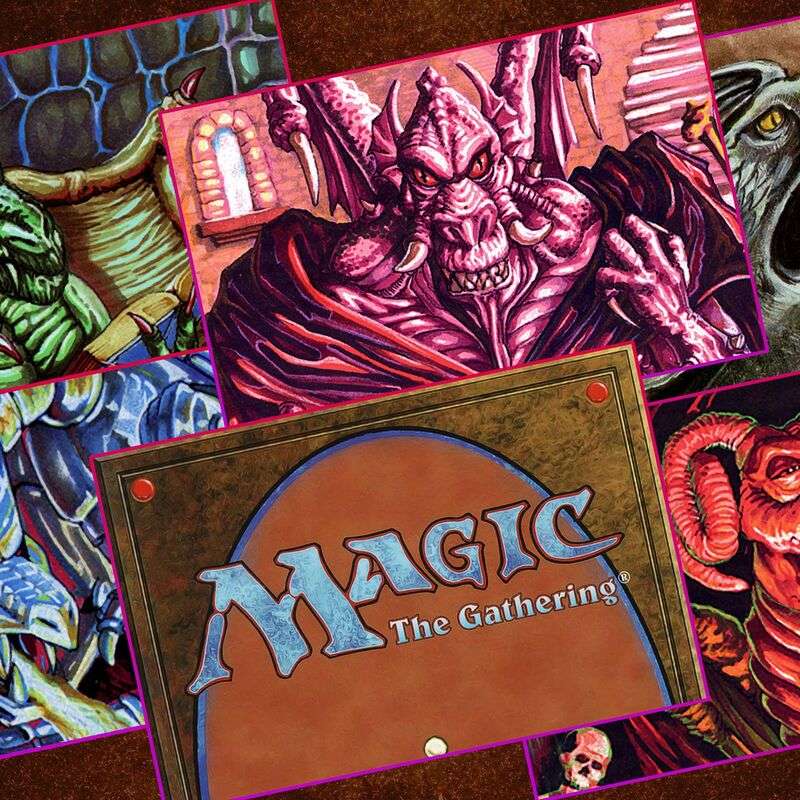
What are the different formats? (Formats) Standard Standard games are one-on-one with a deck of at least 60 cards. The winner is determined These games should last about 20 minutes on average. Commander This format is for four players per game and deck sizes are 99 cards + 1 commander card. The game duration for this format should be about 20-30 minutes per player (averaging out to about 80-120 minutes per game). Draft A format for up to 8 players, opening card packs, building decks on the spot, then playing one-on-one games tournament style. Each deck should have at least 40 cards and every game should last an average length for a game (about 20 minutes per game, totaling about an hour to determine a winner for an 8-player tournament). Why Commander The Commander format is all about picking your hero and building a deck around them; in other words, choosing cards with good synergy with your commander. This is exactly what we are focusing on in this site. In this casual, multiplayer format, you choose a legendary creature to serve as your commander and build the rest of your deck around their color identity and unique abilities. Players are only allowed one of each card in their deck, with the exception of basic lands, but they can use any cards from throughout Magic's history. Color Identity A card's color identity can come from any part of that card, including its casting cost and any mana symbols in its text. Every card in your Commander deck must only use mana symbols that also appear on your commander. Colorless cards are allowed as well. Command Zone This is where your commander resides during the game when they are not in play. At the start of the game, each player puts their commander face up into the command zone. A commander can be cast from the command zone for its normal costs, plus an additional two mana for each previous time it's been cast from the command zone this game. If your commander would be put into your library, hand, graveyard or exile from anywhere, you may return it to your command zone instead. Each player starts with 40 life, places their commander face-up in their command zone, and draws a hand of seven cards.
Images for formats page
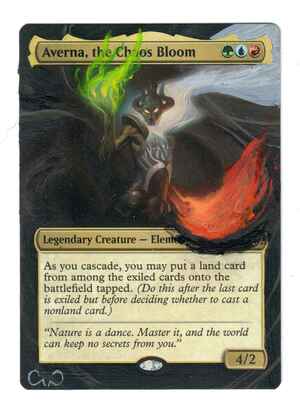
My Synergies
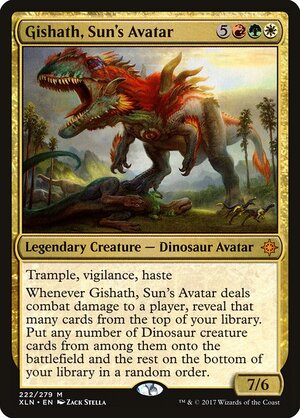
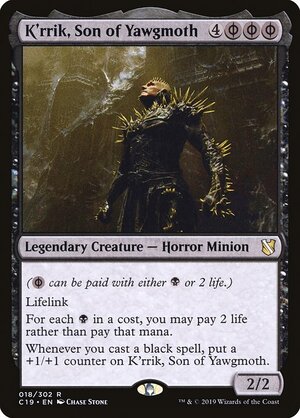
What does synergy mean in Magic? (My Synergies) Synergy, the word, comes from a Greek root meaning "working together." In Magic, synergy is simply the concept that certain cards are more effective when played with certain other cards. The cards, generally speaking, can function all right in and of themselves, but because of this synergy, produce more together than what they could when taken in isolation. Another word people use to describe this relationship between cards is 'combo.' My Decks and Examples of Synergistic Cards: Gishath Sun's Avatar K'rrik, Son of Yawgmoth
Images for the Page 3
Wireframes
Create three wireframes for your site. One for each page and list them here
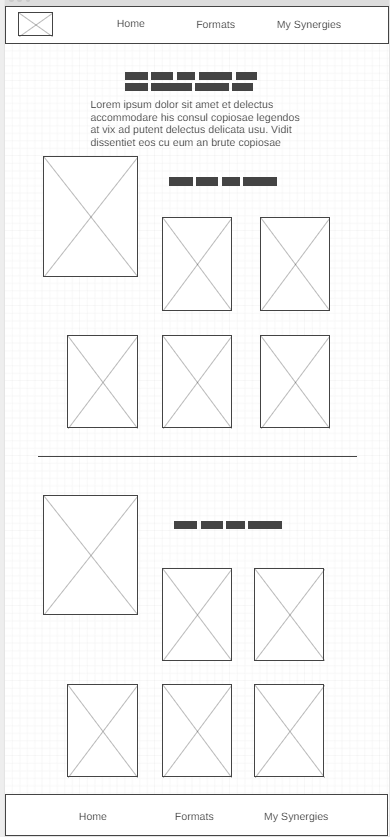
Home

Formats
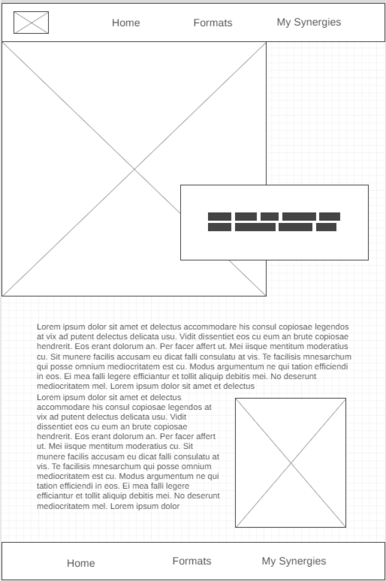
My Synergies